history
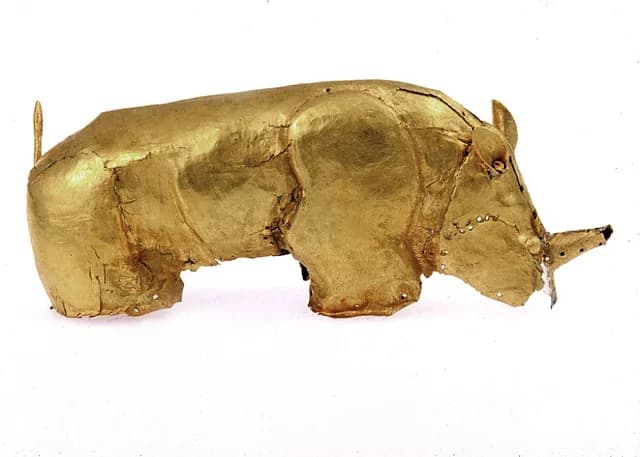
A small gold rhino tells a much bigger story
At Mapungubwe in northern South Africa, archaeologists found a small rhinoceros figure made with thin gold sheets. It comes from a medieval African kingdom and reveals the skill of its goldworkers. An object small enough to fit in a hand helps bring a much larger history into view.
Source: University of Pretoria: Mapungubwe gold rhino · Accessed 2026-10-06
nature
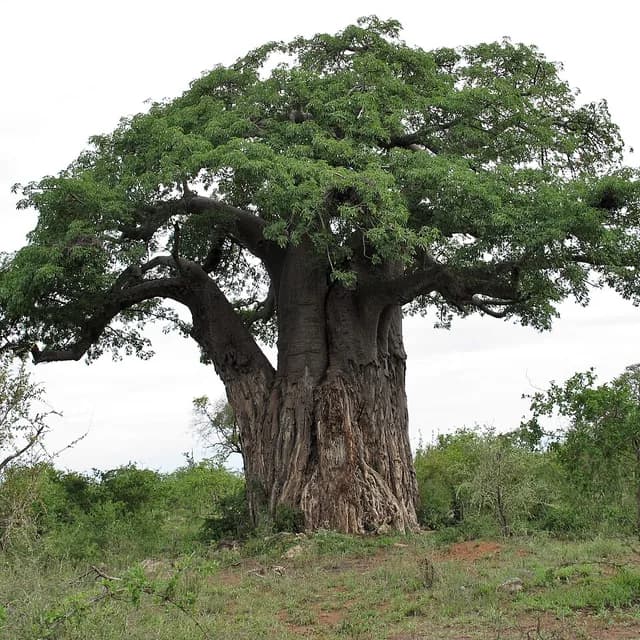
A huge trunk that elephants can raid for moisture
African baobabs grow in the drier parts of South Africa and elsewhere on the continent. Their enormous trunks contain water, and elephants sometimes gouge into them to reach it. The scars on a baobab can record an encounter between a thirsty animal and a living source of moisture.
Source: Royal Botanic Gardens, Kew: African baobab · Accessed 2026-10-06
geography
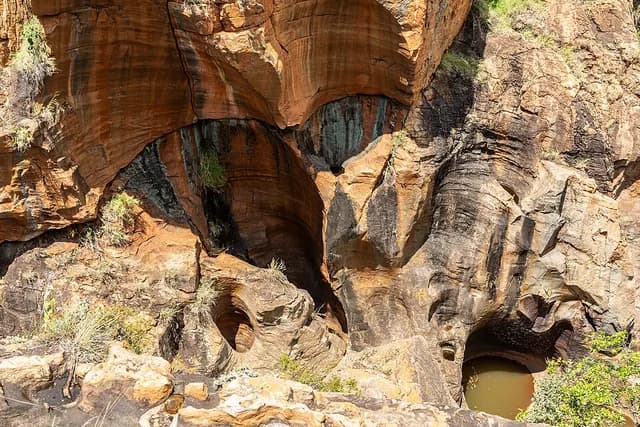
Pebbles help a river drill holes in rock
At Bourke’s Luck Potholes in South Africa, two rivers meet among rounded holes carved into the rock. Swirling water moves pebbles around inside the pools, wearing away the rock over time. Small stones carried by a river can help shape a whole rocky landscape.
Source: Mpumalanga Tourism and Parks Agency: Bourke’s Luck Potholes · Accessed 2026-10-06