history
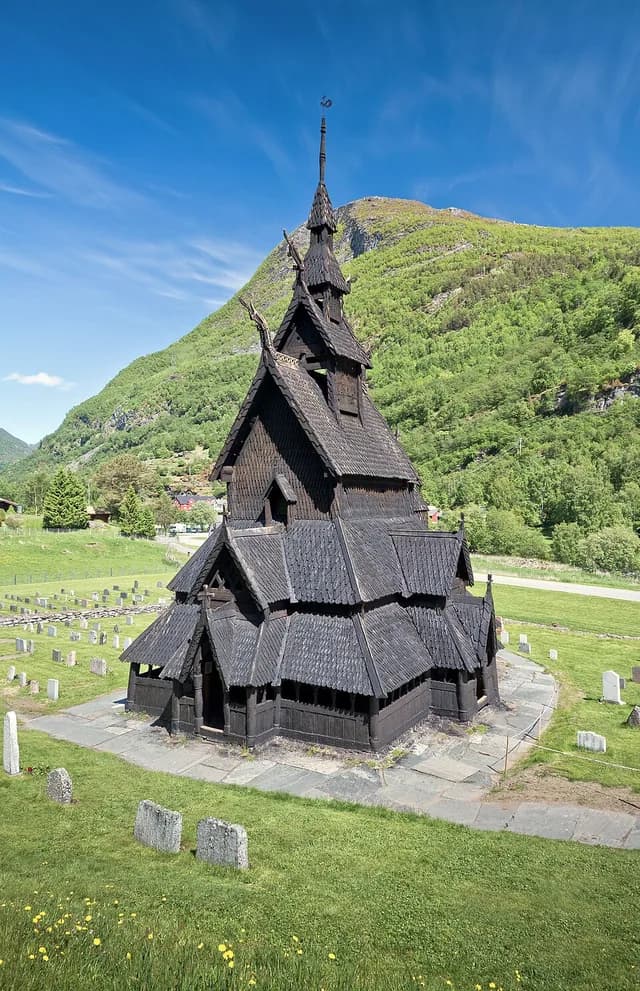
A medieval church built from timber
Norway’s stave churches take their name from the upright timber posts that support them. At Borgund, a church built in the Middle Ages still stands with tiered wooden roofs and carved dragon heads. Woodworkers used their craft for both the structure and its elaborate decoration.
Source: Visit Norway: Stave churches · Accessed 2026-10-06
culture
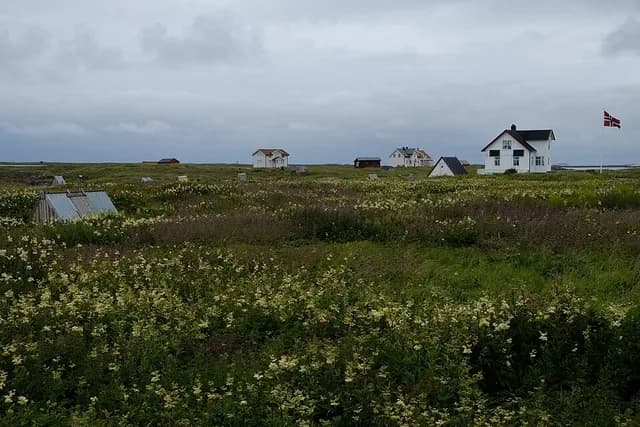
Small houses for wild ducks
On Norway’s Vega islands, people build shelters for wild eider ducks and protect them while they nest. Once the birds leave with their chicks, people gather the down, the soft insulating feathers left in the nests. Looking after the ducks helps islanders earn a living from this valuable material.
Source: UNESCO: Vega Archipelago · Accessed 2026-10-06
geography
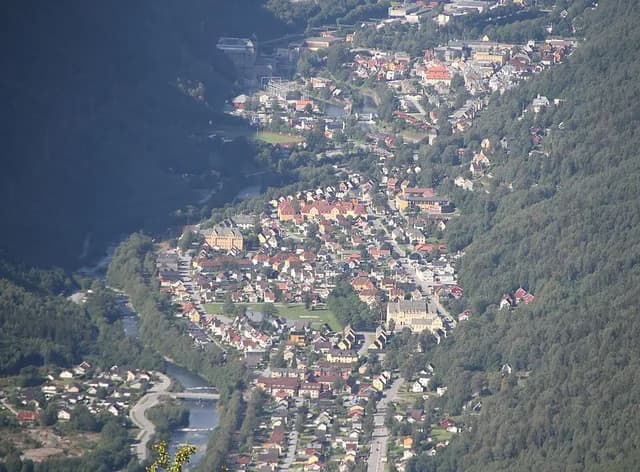
Mirrors bring sunlight down into a shaded town
Rjukan, Norway, sits in a valley where mountains block direct sunlight through much of winter. Three computer-controlled mirrors on the mountainside follow the sun and reflect its light onto the town square. They create a patch of sunshine where people can gather even while the valley remains in shade.
Source: Visit Rjukan: The Sun Mirror · Accessed 2026-10-06