culture
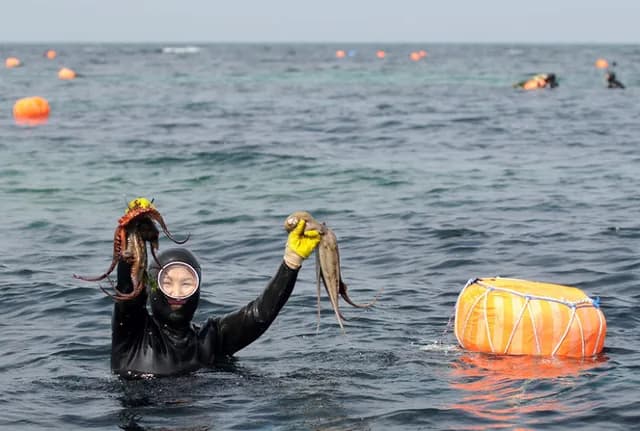
Harvesting the sea on a single breath
On Jeju Island in South Korea, women divers called haenyeo collect shellfish and other seafood without breathing tanks. They hold their breath underwater and share knowledge of the sea across generations: this coastal livelihood relies on skill as well as physical endurance.
Source: UNESCO: Guardians of Jeju’s coastal legacy · Accessed 2026-10-06
history
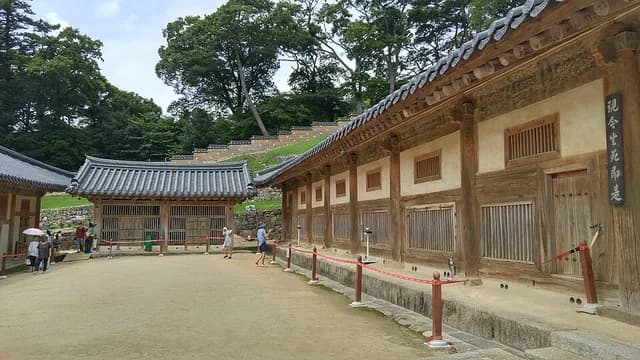
A storehouse designed to let the air do the work
At Haeinsa Temple in South Korea, wooden blocks carved with Buddhist texts are stored in buildings designed for natural ventilation. Managing airflow, temperature and moisture has helped preserve the printing blocks for centuries: the building itself is part of their protection.
Source: UNESCO: Haeinsa Temple woodblock depositories · Accessed 2026-10-06
history
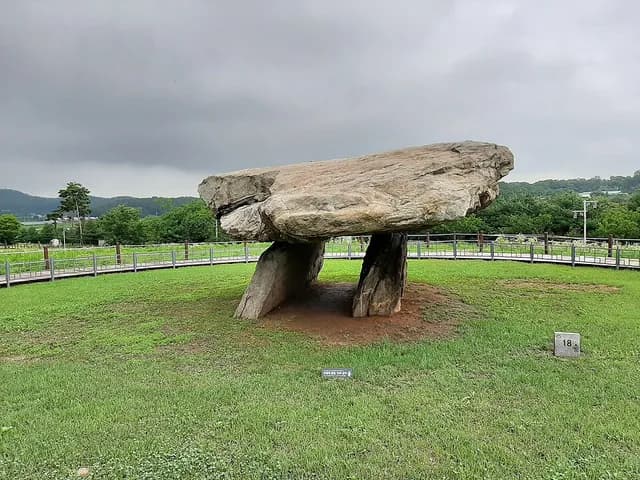
A stone table built as a tomb
Some ancient tombs in South Korea look like huge stone tables, with upright slabs supporting a broad capstone. These monuments are called dolmens and were used as burial chambers: what looks like a simple stack of rocks was a carefully built place for the dead.
Source: UNESCO: Gochang, Hwasun and Ganghwa Dolmen Sites · Accessed 2026-10-06