geography
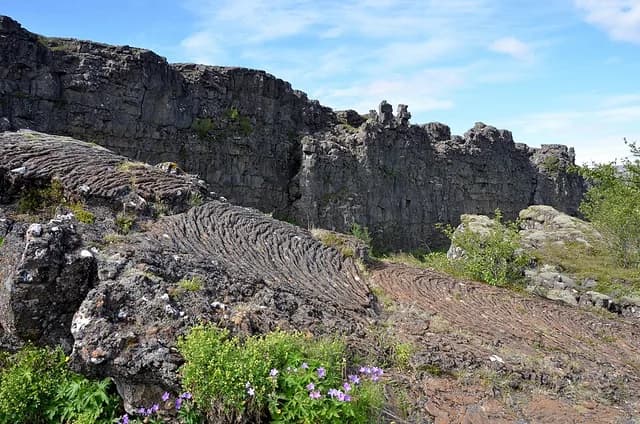
A valley where the ground pulls apart
At Thingvellir in Iceland, cracks and rocky walls mark a valley where Earth’s crust is pulling apart. The crust is divided into huge moving plates; as they separate here, the land between them sinks. The landscape lets you see the effects of movement usually hidden beneath the ocean.
Source: Thingvellir National Park: Tectonic movements · Accessed 2026-10-06
nature
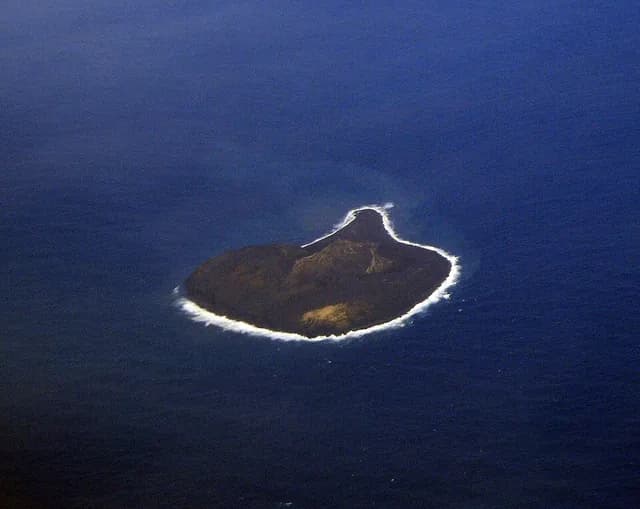
An island left alone to see how life arrives
Surtsey, off Iceland’s south coast, was formed by volcanic eruptions between 1963 and 1967. Access is restricted so scientists can watch plants and animals arrive naturally on new land. This young island offers a rare chance to follow a living community taking shape from the beginning.
Source: UNESCO: Surtsey · Accessed 2026-10-06
culture
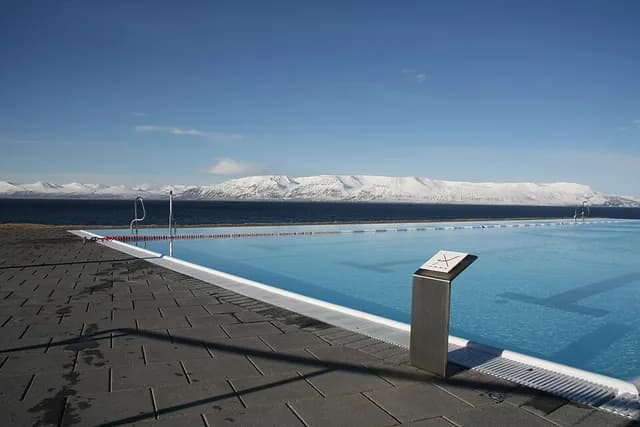
The local meeting place can be a warm pool
In Iceland, outdoor swimming is part of everyday life even in winter. Most pools are heated using geothermal energy, and warm pools and hot tubs give neighbours a place to meet and talk. The water beneath this volcanic country helps turn a swim into a year-round social routine.
Source: Visit Iceland: Swimming pool culture · Accessed 2026-10-06