nature
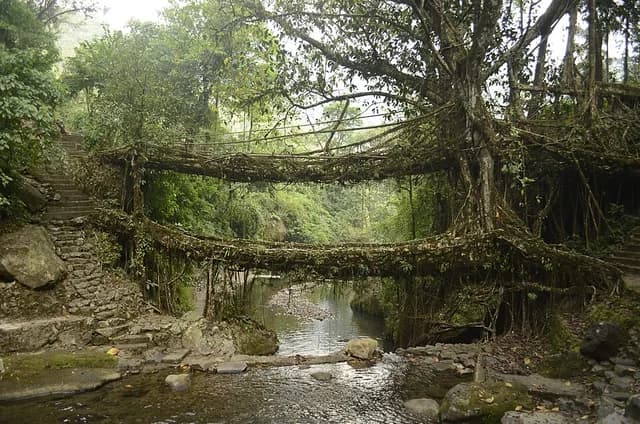
A bridge grown from living trees
In Meghalaya, northeastern India, Khasi communities guide and weave living tree roots into bridges across streams. The roots keep growing, so maintaining a crossing means caring for a living structure, with knowledge passed between generations.
Source: UNESCO: Living Root Bridge Cultural Landscapes (tentative-list submission) · Accessed 2026-10-06
culture
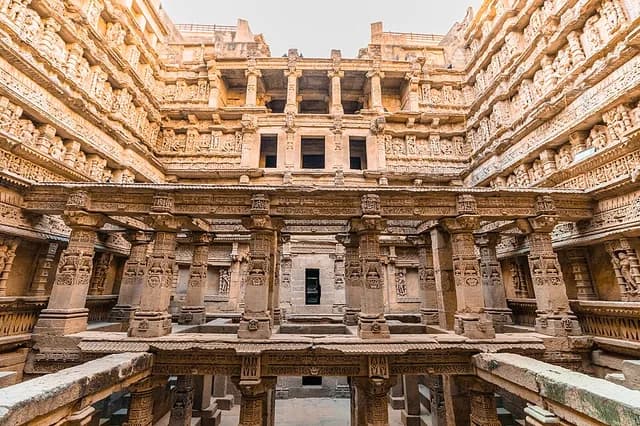
A water well with the detail of a temple
At Rani-ki-Vav in Gujarat, western India, stairs descend into a well lined with carved figures and pillared galleries. Built in the 1000s, it combined a practical water supply with a place of worship: its elaborate architecture extends down into the ground.
Source: UNESCO: Rani-ki-Vav · Accessed 2026-10-06
history
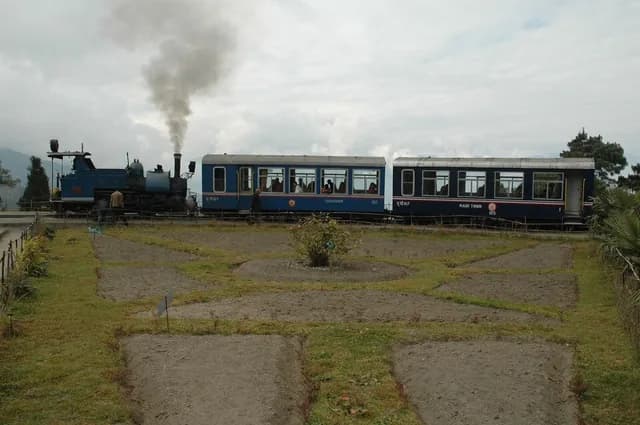
A train takes the long way around a hill
Near Darjeeling in northeastern India, the mountain railway curves around Batasia Loop to handle a steep slope. Spreading the change in height over a longer track makes the gradient gentler, helping the small train negotiate the hillside.
Source: India Ministry of Tourism: Batasia Loop · Accessed 2026-10-06