history
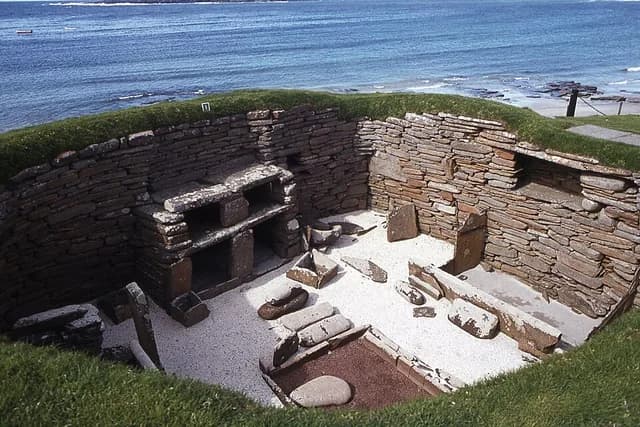
Stone beds in a prehistoric home
At Skara Brae, a prehistoric village on Scotland's Orkney islands, houses still contain stone beds and shelves beside a central fireplace. Because the furniture was made from stone, we can still see how people arranged their homes thousands of years ago.
Source: Historic Environment Scotland: Skara Brae history · Accessed 2026-10-06
geography
Roof tiles cut from mountains
Slate is a stone that can be split into thin sheets for roof tiles. Quarries in northwest Wales supplied these tiles around the world; by the late 1800s, the region made about a third of the world's roofing slate and building slabs.
Source: UNESCO: The Slate Landscape of Northwest Wales · Accessed 2026-10-06
history
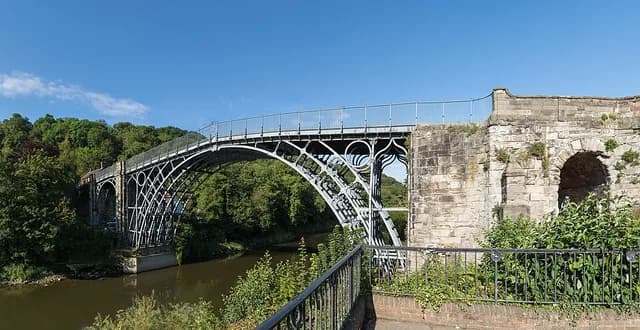
A bridge made from cast metal
The Iron Bridge in Shropshire, England, was erected in 1779 using iron poured into moulds to make its parts. Its great metal arch showed what builders could do with cast iron, at a time when new ways of making goods were changing life in Britain.
Source: UNESCO: Ironbridge Gorge · Accessed 2026-10-06