geography
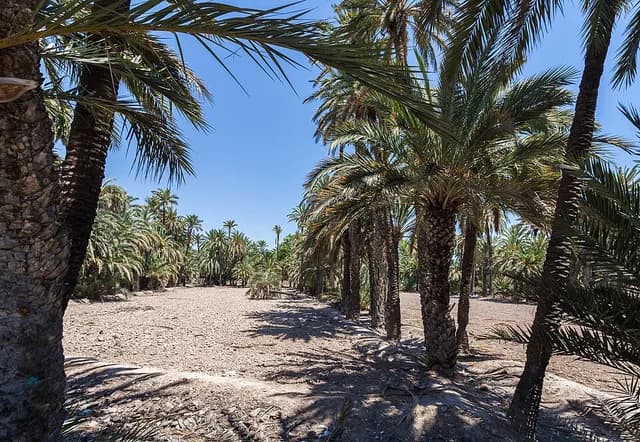
Three layers of crops in one orchard
In Elche, a city in southeastern Spain, traditional orchards grew tall date palms above pomegranate trees, with low crops such as alfalfa beneath them. Irrigation canals brought scarce water to this layered farmland, turning dry ground into productive gardens.
Source: UNESCO: Palmeral of Elche · Accessed 2026-10-06
history
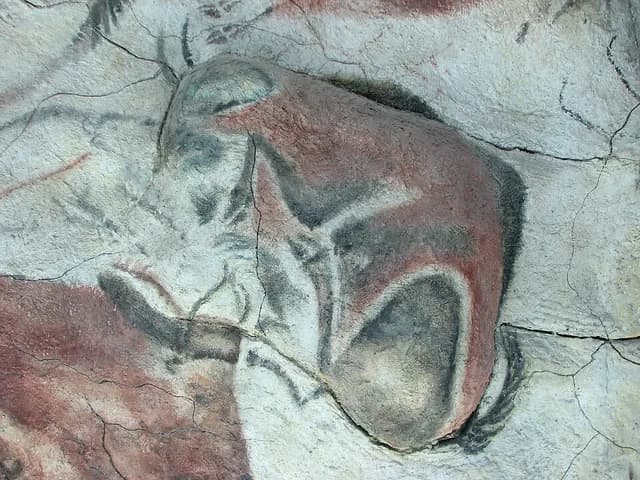
Cave paintings older than writing
At Altamira and other caves in northern Spain, people painted animals thousands of years before written history. Sheltered underground chambers protected the artwork from outside weather, helping pictures such as these bison survive for thousands of years.
Source: UNESCO: Cave of Altamira and Paleolithic Cave Art of Northern Spain · Accessed 2026-10-06
nature
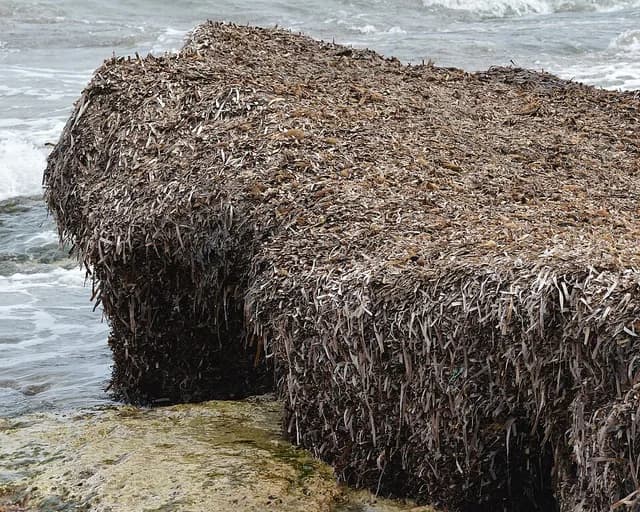
Washed-up seagrass helps protect beaches
Underwater meadows of Neptune grass grow around Ibiza, a Spanish island in the Mediterranean. When leaves wash onto the beach, their build-up helps keep the shore stable: the brown piles in the photo are part of the connection between the sea and the sand.
Source: UNESCO: Ibiza, Biodiversity and Culture · Accessed 2026-10-06