geography
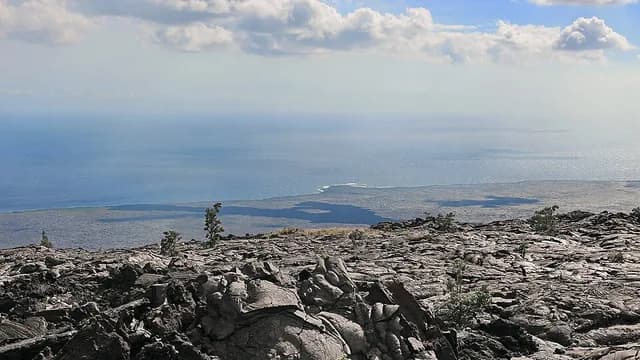
An island chain records a moving Earth
Hawaiʻi’s islands formed as a huge section of Earth’s outer layer, the Pacific Plate, moved over a volcanic hotspot. Islands generally get older toward the northwest as they move away from the source of new lava.
Source: National Park Service: Oceanic hot spots · Accessed 2026-09-22
history
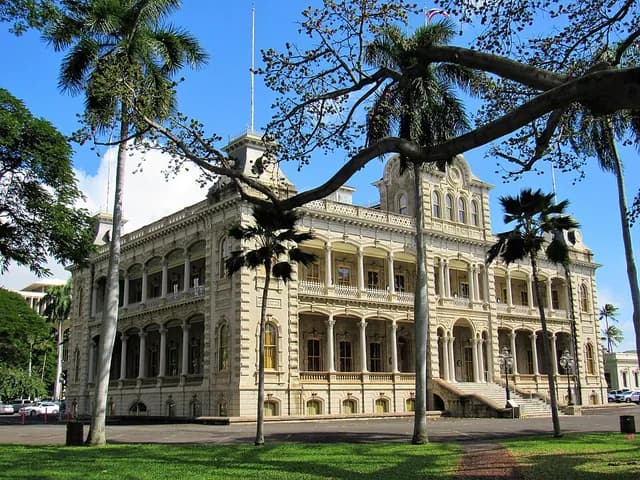
Hawaiʻi was once a kingdom
ʻIolani Palace in Honolulu was the home of Hawaiian royalty, including King Kalākaua and Queen Liliʻuokalani. Completed in 1882, it preserves a reminder that Hawaiʻi was once an independent kingdom.
Source: ʻIolani Palace: Palace history · Accessed 2026-09-22
nature
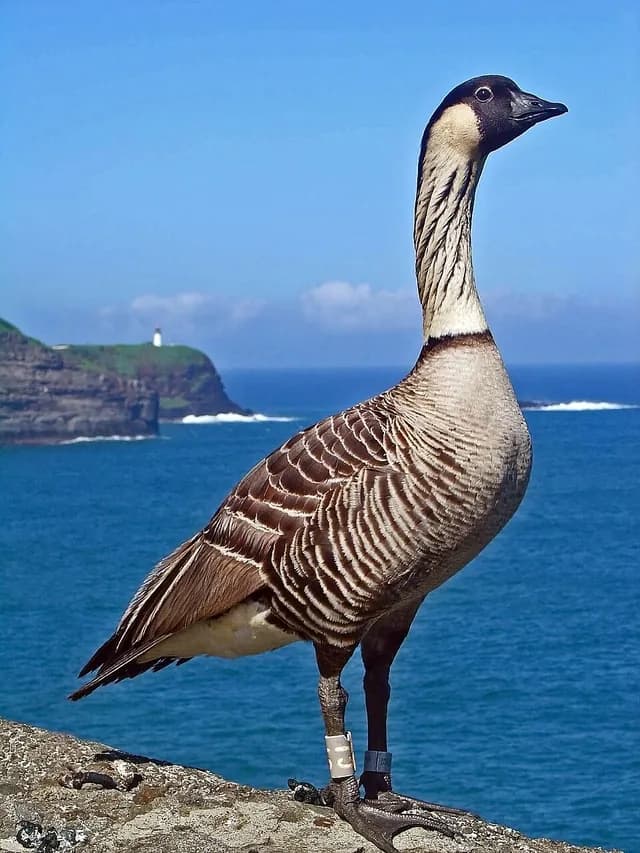
A Hawaiian goose with less webbing
The nēnē, Hawaiʻi’s state bird, is a goose found naturally only on these islands. It has less skin connecting its toes than the related Canada goose and often lives on land in open country and scrub.
Source: Hawaiʻi Birding Trails: Hawaiian goose · Accessed 2026-09-22